SeaStar Solutions CC230 Standard Control Cable- BlackReplaces CC172 Control CablesStandard duty cables with stainless steel Lubri-corewire for smooth operation.Specifications:Fits directly into SeaStar Solutionscontrols and all controls that accept universal type cablesStainless steel end fittings, 10-32 UNF threadsNominal 75mm travelStainless steel Lubri-coresolid core wire16 lay wire reinforced outer jacket, 6.8mm outside diameter150mm minimum bend radiusSuits stern drives, inboards and outboardsPart NumberLengthBLA-3030061.83m (6ft)BLA-3030072.13m (7ft)BLA-3030082.44m (8ft)BLA-3030092.74m (9ft)BLA-3030103.05m (10ft)BLA-3030123.66m (12ft)BLA-3030133.96m (13ft)BLA-3030144.27m (14ft)BLA-3030154.57m (15ft)BLA-3030164.88m (16ft)BLA-3030175.18m (17ft)BLA-3030185.49m (18ft)BLA-3030206.10m (20ft)BLA-3030216.40m (21ft)BLA-3030226.71m (22ft)BLA-3030237.01m (23ft)BLA-3030247.32m (24ft)How to Choose the Right 3300/33C Series CableSeaStar Solutionsoffers five models of universal 3300 series type cables, each suited to certain operating conditions and installation parameters. Below are key variables that affect how cables perform:Backlash: the lost motion between the amount of movement put in (input end of the cable) and the amount of movement which occurs at the output end of the cable. Some motion is generally lost in take up between the inner wire (core) of the cable and the outer casing (conduit). Backlash manifests itself as free play (slop) felt at the control handle.Efficiency: the percentage of input force that is transmitted through the cable as output force. For example, if a 10-pound force was exerted on the cable at its input end and resulted in the cable exerting an 8-pound output force, the cable would be 80% efficient.Breakaway: the feel of the cable when put into motion; the breakaway threshold is the force that must be applied to the cables input end before something happens at the output end. An example of excessive breakaway; a control that would have to be moved to half-throttle before the engine responded.Cable Routing: the shorter and straighter the cable routing, the better the cable will perform. With increased length and bends, cable efficiency is reduced, while breakaway and backlash rise.Environment: generally, the more rugged the cable construction, the longer the cable will last. In harsh environments such as heavy salt and U.V. exposure, control cables with thicker conduits and stainless steel fittings will generally outlast those with thinner conduits and brass or steel fittings.Cable design, manufacturing tolerances, length and installation care are additional factors to consider.33 Series Cable TypeBacklashBreak Away/EfficiencyLong/Complex RoutingsHarsh EnvironmentCC230GoodGoodGoodGood

SeaStar Solutions CC230 Standard Control Cable – Black
Original price was: $24.99.$18.00Current price is: $18.00.
Sale!Related products
Sale!

Mercruiser 47610A15 Transmission / Gear Cooler Replacement
Original price was: $58.00.$29.58Current price is: $29.58.
Sale!
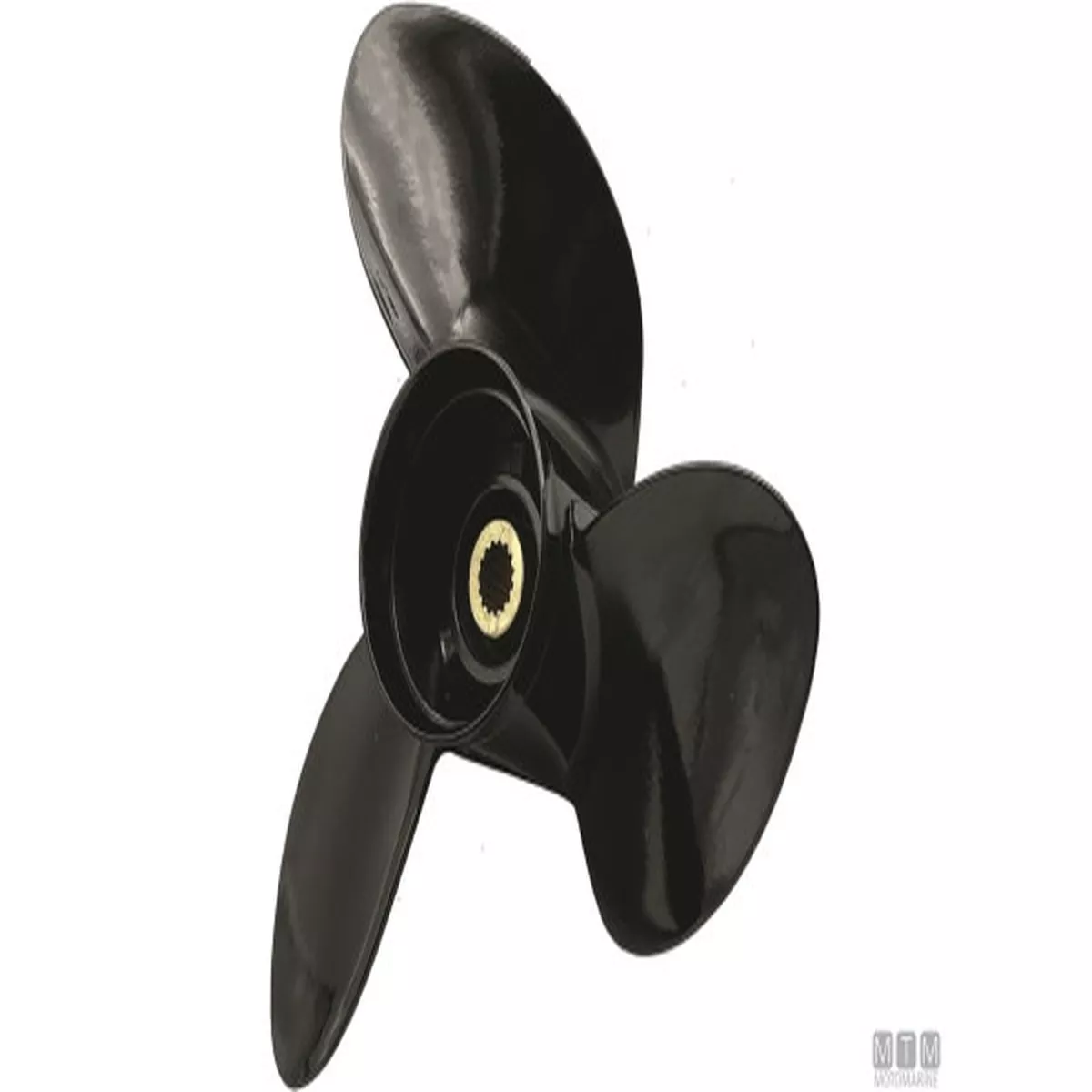
Hlice en aluminium pour Suzuki 15 1/4 x 21LH
Original price was: $25.96.$16.87Current price is: $16.87.
Sale!
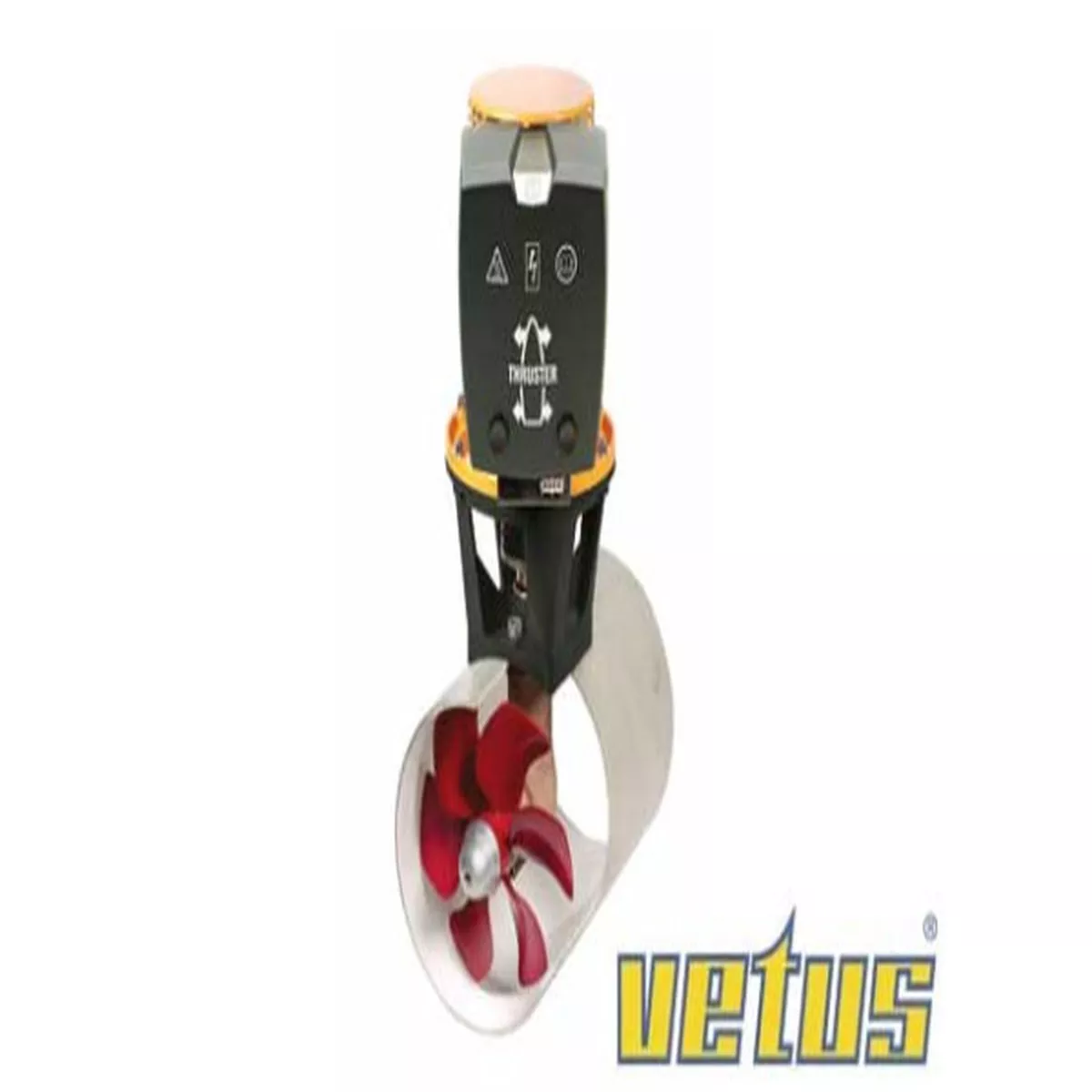
Propulseur dtrave Vetus, 160kgf, 24V
Original price was: $118.40.$60.51Current price is: $60.51.
Sale!
Shields Marine – Type A2 Series 355 Fuel Fill Hose – 1.5″ ID & 1-57/64
Original price was: $157.76.$126.14Current price is: $126.14.
Sale!
Mercury – Mercruiser 91-8M0052590 Tool Bearing
Original price was: $32.40.$23.13Current price is: $23.13.
Sale!

Volvo Penta 3586706 Heat Exchanger
Original price was: $239.99.$174.35Current price is: $174.35.
Sale!
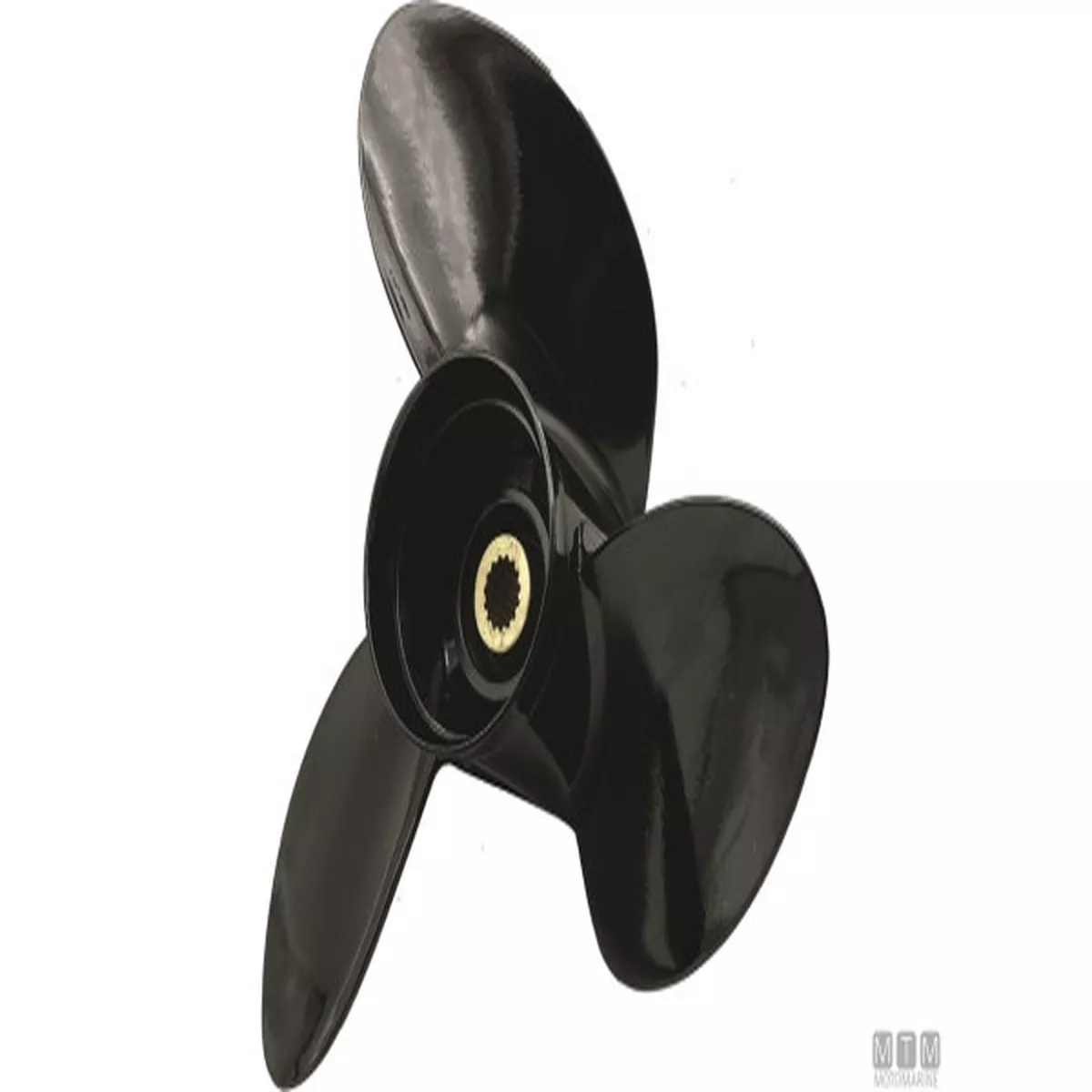
Hlice en aluminium pour Honda 15 1/4 x 15
Original price was: $25.14.$13.31Current price is: $13.31.
Sale!